
Key Points
-
Nigerian supertanker seizure stems from alleged crude theft.
-
Vessel detained off the U.S. Gulf Coast.
-
Authorities investigate financial and legal consequences for owners.
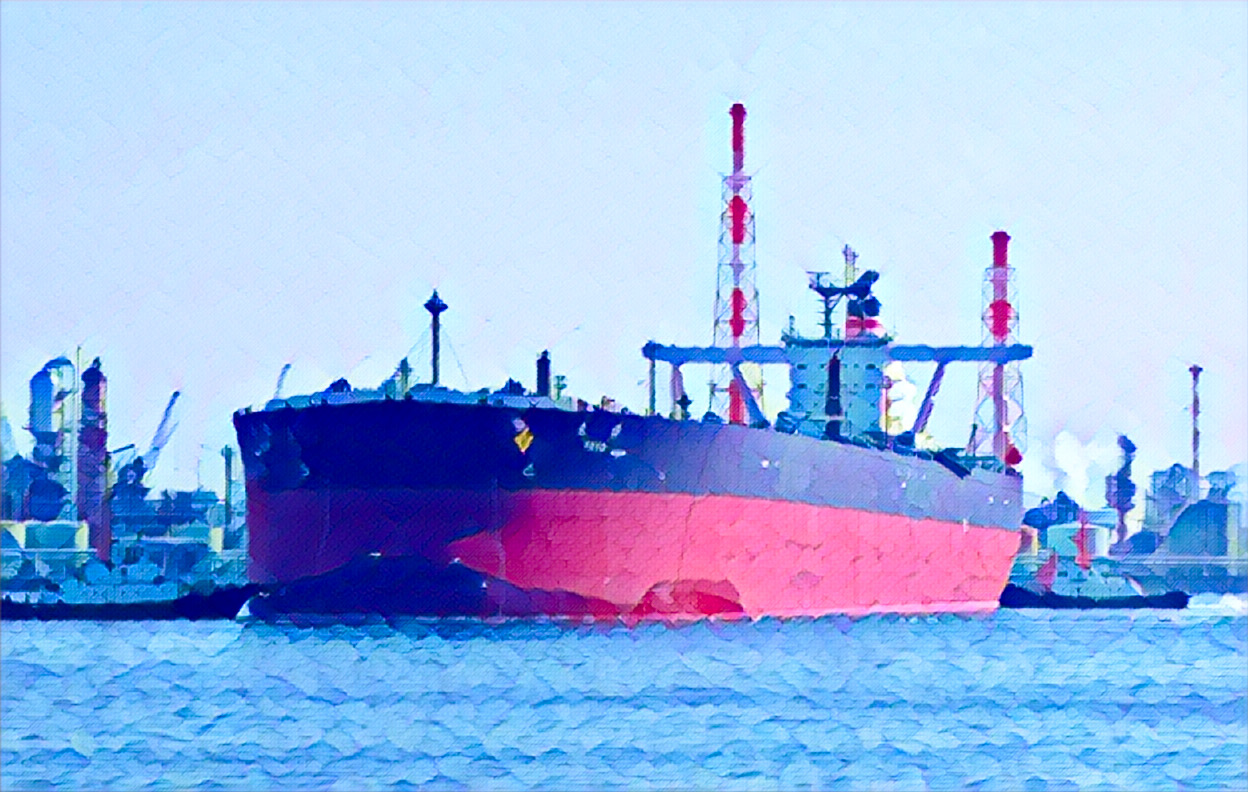
The U.S. Coast Guard, with help from the U.S. Navy, has stopped the Nigerian-owned supertanker Skipper on charges of stealing crude oil, piracy, and other crimes that cross national borders. President Donald Trump announced the operation on December 10, 2025. It shows that more and more people around the world are worried about illegal activities at sea.
Thomarose Global Ventures Ltd., a company based in Nigeria, is said to own and run the ship, which is a 20-year-old Very Large Crude Carrier (VLCC) with IMO Number 9304667. However, the ship’s registered owner is Triton Navigation Corp., which is based in the Marshall Islands. The tanker was flying the Guyanese flag illegally when it was stopped. The Maritime Administration Department (MARAD) of Guyana confirmed that the ship was not registered and was flying the flag without permission.
U.S. security sources said that the tanker is also being looked into for transporting large amounts of hard drugs and being part of networks that are connected to Iranian and other Islamist-backed money laundering financiers. Thomarose Global Ventures Ltd. is not currently active, according to Nigeria’s Corporate Affairs Commission. This raises more questions about who owns the company.
The seizure of a Nigerian supertanker has drawn international attention
Officials said that the seizure shows that law enforcement is working together to enforce U.S. and international maritime rules. Analysts say that the case shows weaknesses in shipping oversight, especially when it comes to ships that are registered under flags of convenience.
Investigators say the tanker didn’t go through official export channels when it was carrying stolen crude oil, which could have cost Nigerian authorities and global buyers money. The ship’s operators now have to deal with even more legal and financial problems because of the new suspicions of drug trafficking.
Legal and money problems loom for owners
The supertanker is still in U.S. custody while federal prosecutors work on civil forfeiture cases. Legal experts said that the seizure could lead to losing assets, being charged with a crime, and more scrutiny of ships with unclear ownership structures.