
KEY POINTS
- Twelve states have enacted the Tax Harmonisation Law, with 13 others presenting it to their assemblies.
- The law took effect January 1, 2026, targeting nuisance taxes and taxpayer harassment.
- The Nigeria Revenue Service projects N40.7 trillion in tax collections for 2026 under the new framework.
At least 12 Nigerian states have passed the federal government’s Tax Harmonisation Law, while 13 others have already placed it before their state houses of assembly, minister-designate Taiwo Oyedele said Wednesday, signaling that President Bola Tinubu’s sweeping fiscal reform agenda is taking root at the subnational level.
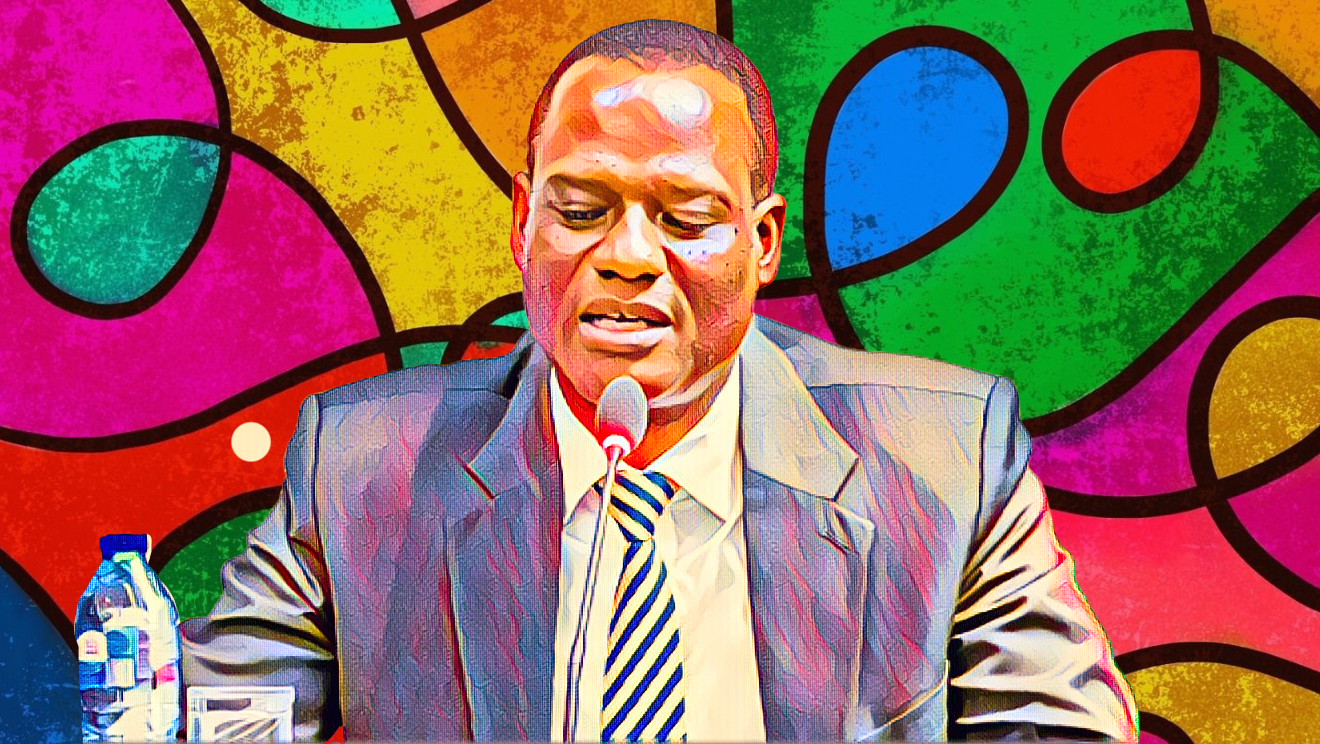
Oyedele, chairman of the Presidential Committee on Fiscal Policy and Tax Reforms and freshly nominated as Minister of State for Finance, made the disclosure in Abuja during the graduation ceremony of 5,900 young entrepreneurs trained by the MTN Foundation. He said the remaining states are at various stages of moving the reforms forward.
The Tax Harmonisation Law took effect January 1, 2026, as part of a broader overhaul of Nigeria’s tax architecture that Tinubu signed into law in June 2025. The reforms introduce a N800,000 annual tax-free threshold for individuals, a 20 percent rent deduction and zero VAT on essential goods.
What the Law Actually Does
At the state level, the harmonisation law takes direct aim at the layers of petty levies that have long frustrated businesses and individuals alike. Oyedele said the law eliminates nuisance taxes, stops the harassment of citizens under the guise of revenue collection, simplifies the overall tax system and protects taxpayers’ rights against unfair treatment.
“Transparency, fiscal discipline, responsibility and accountability remain critical pillars of an effective tax system,” he said.
Early adopters include Anambra, Zamfara and Ekiti states, while Jigawa, Plateau, Kogi, Nasarawa and Kwara have also initiated steps to domesticate the framework at home.
The Revenue Stakes
The momentum matters enormously to the federal government’s revenue targets. The Nigeria Revenue Service projects N40.7 trillion in taxes and royalties for 2026, up sharply from N28.23 trillion collected in 2025. NRS Executive Chairman Zach Adedeji attributed the higher target directly to the harmonised system, which brings petroleum revenues and mineral royalties under a single collection framework and improves efficiency across the board.
With 25 states now either fully onboard or actively legislating the change, the reform has cleared its most critical political hurdle. Execution across all 36 states, however, remains the next test.