
Key points
- Nigeria joins 14 countries on the child soldiers list, risking cuts to training, financing and arms sales.
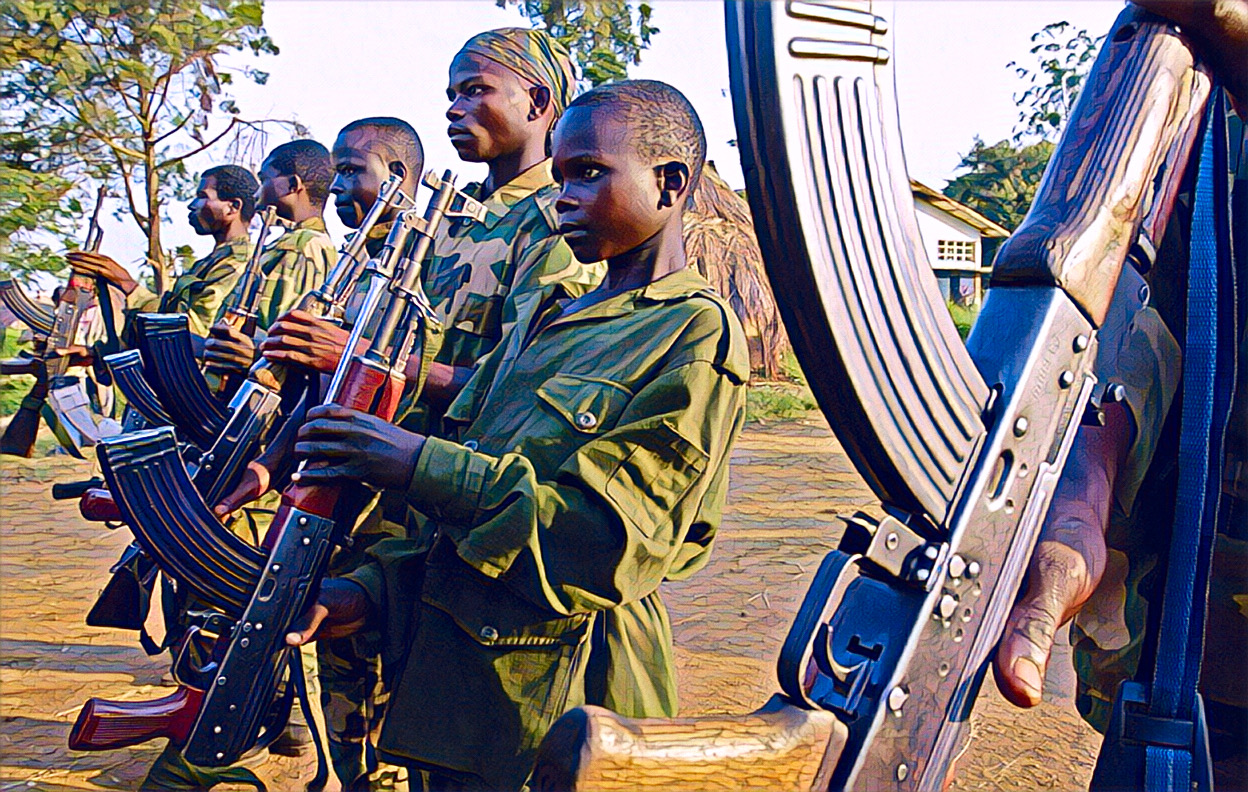
- The report cites Boko Haram and ISIS-West Africa for using children as young as 12.
- Victims receiving government help fell from 2,058 to 675, and no official was prosecuted for complicity.
The United States has placed Nigeria on its Child Soldiers Prevention Act list, a designation that could cut military training, weapons sales, foreign military financing and defense cooperation unless President Donald Trump issues a waiver.
The listing comes from the State Department’s 2026 Trafficking in Persons Report, published Oct. 11. It covers April 1, 2025, to March 31, 2026, and says Nigeria’s anti-trafficking efforts failed to meet minimum standards for the 15th consecutive year. Nigeria joins 14 countries on the list, including Russia, Iran, South Sudan and Somalia.
What the listing could cost Nigeria
The law bars International Military Education and Training, Foreign Military Financing, Excess Defense Articles and most peacekeeping assistance for listed governments.
It also blocks licenses for direct commercial sales of military equipment. The restrictions apply from Oct. 1, 2026, absent a waiver, an exception or reinstatement under the law.
The timing is awkward. Washington recently deployed Navy SEAL Team 6 alongside Nigerian forces for joint counterterrorism operations in the northeast and formalized a 2026 Defense Cooperation Roadmap.
The report names Boko Haram and ISIS-West Africa as the groups recruiting children as young as 12 as cooks, spies, guards, fighters and suicide bombers across Nigeria, Cameroon, Chad and Niger.
Weak prosecutions and shrinking victim support
Nigerian authorities investigated 1,341 trafficking cases involving 1,367 suspects. Of those, 94 were prosecuted and 97 traffickers were convicted, and most received sentences of at least one year.
However, the report said no government official was investigated, prosecuted or convicted for complicity, despite significant corruption concerns.
Of 2,004 identified victims, only 675 received government-supported help, down from 2,058 the previous year.
The report also criticized the closed-shelter policy at the National Agency for the Prohibition of Trafficking in Persons, which limits residents’ movement and children’s access to school.
Gains the report acknowledged
The report noted that victim service funding rose from N128 million to N233 million and prevention spending from N58.8 million to N245 million.
Nigeria also repatriated 428 citizens exploited abroad and kept anti-trafficking task forces in 23 states.
A NAPTIP spokesperson, Vincent Adekoye, said the agency would respond publicly. Presidential adviser Bayo Onanuga did not respond to requests for comment.