
KEY POINTS
-
INEC is investigating suspected AI-generated photographs found on voter profiles.
-
The commission says it is correcting irregularities before December 15 certification.
-
The discovery raises questions about voter verification and electoral data security ahead of 2027.
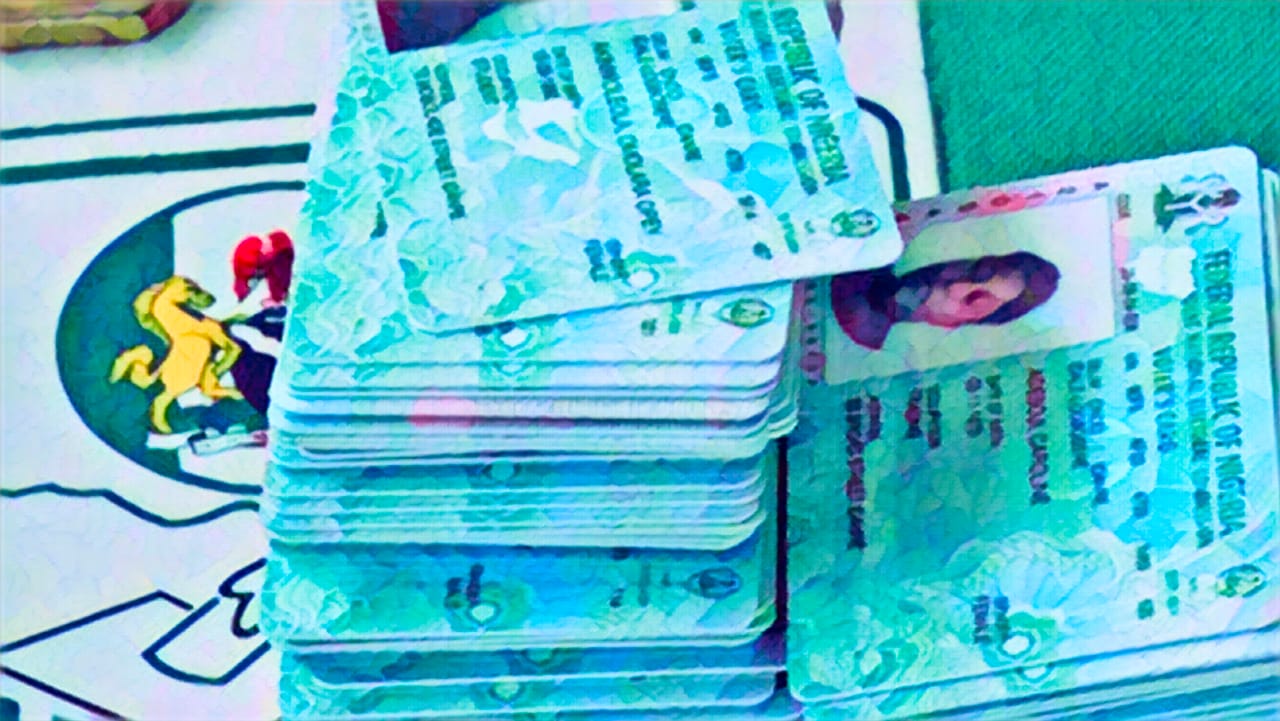
Nigeria’s Independent National Electoral Commission (INEC) has launched a review of suspicious photographs suspected to have been generated by artificial intelligence (AI) that appeared on some voter profiles on its official website.
The commission said it had identified questionable records during the public display of the Preliminary Register of Voters and had begun taking corrective measures ahead of the certification of the final register on December 15, 2026.
The development has raised concerns about the verification of voter information, the integrity of Nigeria’s electoral database and the safeguards required to protect the electoral process ahead of the 2027 general elections.
INEC Reviews Questionable Voter Records
In a statement issued on Tuesday, October 27, 2026, Mohammed Kudu Haruna, chairman of INEC’s Information and Voter Education Committee, said the register uploaded to the commission’s website on October 26 was the same preliminary register displayed physically at Registration Areas nationwide from October 9 to 15.
The exercise, known as Display, Claims and Objections, allows registered voters and other members of the public to inspect voter records, identify errors and report irregularities for correction before the final register is certified.
INEC said some questionable records had been identified during the exercise and flagged for further examination. The commission added that it had commenced reviewing the affected entries and taking appropriate corrective action.
It explained that the online version represented the original preliminary register and did not incorporate all the data-cleanup activities already underway.
The commission stressed that the preliminary register should not be mistaken for the final certified document, noting that the ongoing review was intended to identify and resolve irregularities before certification.
Commission Investigates Suspicious Photographs
INEC also disclosed that it was investigating how the suspicious photographs entered the voter database, including the possibility of technical or procedural failures during registration.
The commission said it would take appropriate action based on verified findings and provide further updates as the review progressed.
It welcomed concerns raised by citizens and other stakeholders, describing public scrutiny as an important part of ensuring that voter records are accurate and reliable.
The controversy followed a report by SaharaReporters, which identified profiles containing photographs suspected of being artificially generated rather than genuine pictures of registered voters.
Among the profiles examined were those bearing the names Ealefoh Oritsenoma, Ebamenbhegbe Besi, Ebhohimen Godwin, Jacob Gabriel, Maniru Noah, Matthew Isaac and Odion Bibi.
The voter identification numbers displayed alongside the profiles were partially masked on the website.
The discovery raised questions about the processes used to authenticate photographs submitted during registration and the measures in place to prevent potentially fabricated images from appearing in an official electoral database.
However, the suspected AI-generated nature of the photographs has not, by itself, established that the affected voter registrations are fraudulent.
Pat Utomi Questions Electoral Credibility
Nigerian political economist and professor Pat Utomi also expressed concern about the implications of the discovery for public confidence in the electoral process.
In a post on X, Utomi warned that the appearance of suspected AI-generated images in the voter register raised questions about verification, transparency and accountability.
He argued that INEC needed to address the concerns to protect the credibility of Nigeria’s elections.
His comments reflect wider concerns about the growing ability of generative AI tools to produce realistic-looking images that may be mistaken for authentic photographs.
The incident has therefore intensified calls for stronger verification procedures, particularly as the commission prepares for the 2027 general elections.
INEC Plans to Use AI Ahead of 2027 Elections
The controversy comes weeks after INEC Chairman Joash Amupitan announced plans to deploy artificial intelligence tools to strengthen result verification and cybersecurity ahead of the 2027 elections.
According to an earlier SaharaReporters report published on October 6, Amupitan disclosed the plans at a press conference and national stakeholders’ meeting in Abuja.
He said the commission had established a dedicated AI division within its Information and Communications Technology department.
The commission had also integrated automated AI auditing tools into its result verification process under a proposed five-pillar AI governance framework that includes human oversight.
Amupitan further disclosed that INEC was working with international technology companies and other partners to introduce AI-powered anomaly detection tools to monitor database traffic and help protect its systems against cyber intrusions and unauthorised alterations.
The commission also planned nationwide mock accreditation and public display exercises, alongside staff training, as part of preparations for the elections.
The emergence of suspicious photographs in the voter register has prompted questions about whether existing safeguards are sufficient to protect the same electoral systems in which INEC intends to expand the use of AI.
The commission has not established that the photographs resulted from a cyberattack or that its planned AI tools were responsible for the irregularities.
Political Party Raises Allegations Over AI Deployment
INEC’s proposed use of AI in the electoral process has also drawn criticism from the Nigeria Democratic Congress (NDC).
In a statement signed by its National Publicity Secretary, Osa Director, the party accused the commission of planning to manipulate the 2027 general elections in favour of the ruling All Progressives Congress (APC).
The statement, titled “INEC’s Plan To Rig The 2027 General Elections With AI,” questioned the timing of the proposed technology deployment and called for greater scrutiny.
The allegation remains the party’s position and has not been established by the evidence presented in the report. INEC, in its latest statement, said its immediate focus was investigating the suspicious photographs and correcting verified irregularities.
The development places renewed attention on the commission’s responsibility to ensure that voter records are accurate, its technology systems are secure and its procedures are transparent.
With the final Register of Voters scheduled for certification on December 15, 2026, the outcome of the review could prove important in addressing public concerns about the integrity of the electoral database ahead of the 2027 elections.