KEY POINTS
- Nigeria Customs is using AI and data tracking to counter fake news and scams.
- The agency also uses AI to rate the risk levels of imported goods.
- Customs is working with other agencies to find people spreading false claims.
The Nigeria Customs Service has started using artificial intelligence and digital data-tracking tools to counter fake news and online scams that could damage its public image, Vanguard reported.
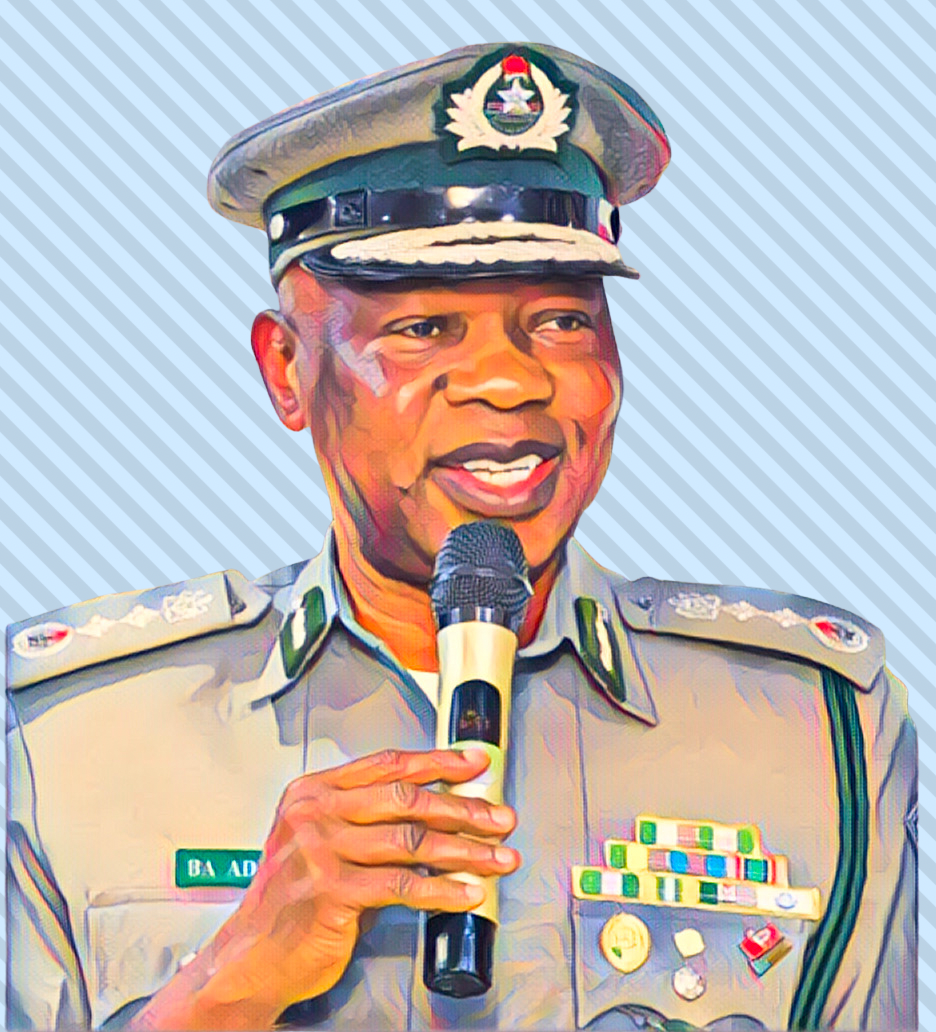
Comptroller-General Adewale Adeniyi disclosed the move at the NECCIPR Roundtable 2026, which recently ended in Lagos. Deputy Comptroller Abdullahi Maiwada, the agency’s national public relations officer, represented him at the event.
Adeniyi said it was important for the public to understand the reasons behind the agency’s policies, operations and enforcement work.
How Nigeria Customs uses AI
Speaking on the theme “Algorithm Influence and Public Relations,” Maiwada said AI had become increasingly important to customs work, from risk management to strategic communication.
Over the years, he said, the agency has built the technology into its core operational duties. It uses AI to assess the risks tied to imported goods, sort consignments by risk level and guide how officers intervene.
But the tools also play a communications role. According to Maiwada, AI can analyze public sentiment and show how people perceive the agency’s activities.
Meanwhile, customs officials are using available digital platforms to establish the facts when false claims spread. The agency is also working with other relevant agencies to identify and arrest those responsible for misleading information, he said.
Who shapes the Nigerian mind?
Earlier, roundtable convener Nkechi Ali-Balogun said the event was founded on the belief that public relations professionals should do more than manage messages. Instead, she said, they should play a leading role in shaping national discourse.
This year’s theme, she explained, examined the growing influence of algorithms and AI on public opinion and on how information flows.
“When machines decide what we see, who is really shaping the Nigerian mind?” Ali-Balogun asked.
She also warned that in a fast-changing world powered by AI, a single algorithm can shape political narratives, push conspiracy theories and dictate what millions of people read, believe and share.