
KEY POINTS
-
Power restored to Lagos, Ogun, Oyo, Kwara and the FCT.
-
Repaired Benin-Egbin line helped raise Lagos supply above 1,000MW.
-
Osogbo-Ikeja West line could add 400MW when restored.
The Federal Government has announced the restoration of electricity supply to several parts of Lagos, Ogun, Oyo and Kwara states, as well as the Federal Capital Territory (FCT), following disruptions linked partly to the vandalism of a major transmission line.
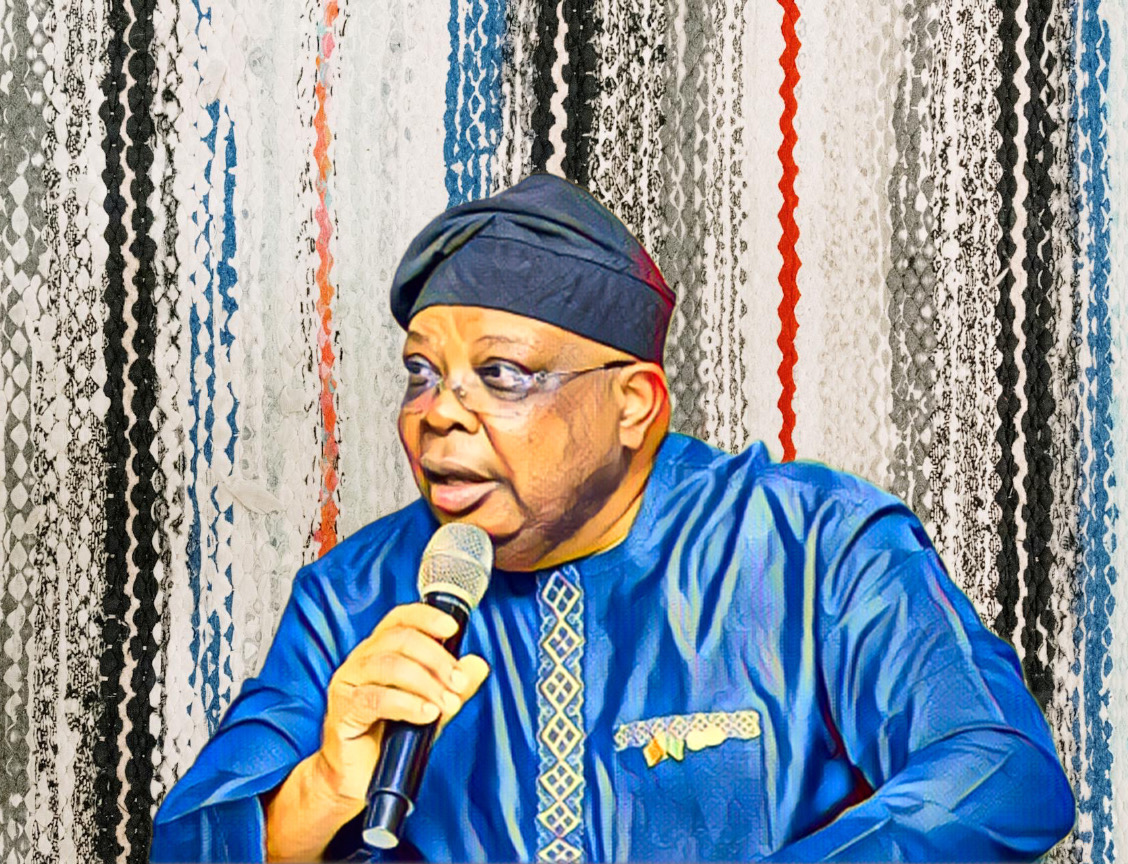
The Minister of Power, Joseph Tegbe, disclosed this in an update on Monday, November 9, 2026, confirming that the damaged Benin-Egbin 330-kilovolt transmission line had been repaired and returned to service.
According to the minister, the restoration has increased electricity supply to the Lagos transmission complex to more than 1,000 megawatts, returning it to approximately the level recorded before the disruption.
The development is expected to provide relief to households, businesses and public institutions that experienced reduced electricity supply in the affected areas.
Vandalised Transmission Line Repaired
Tegbe said the Benin-Egbin transmission line was repaired after it was vandalised, allowing electricity to flow through the route again.
The minister explained that the damage had restricted the delivery of electricity to Lagos, particularly at a time when other parts of the power supply system were already experiencing constraints.
The Benin-Egbin line normally delivers between 300MW and 400MW to the Lagos Complex. Its disruption, combined with maintenance work at Egbin Power Station, contributed to a significant reduction in available electricity.
Tegbe said the combined impact of the two disruptions resulted in the loss of almost 800MW from the Lagos electricity supply system.
He added that the government was working with electricity generation companies, the system operator, the Transmission Company of Nigeria (TCN) and distribution companies to stabilise supply and prevent further deterioration.
Osogbo-Ikeja West Line Expected to Add 400MW
The government is also working to restore the Osogbo-Ikeja West 330kV transmission line, which has remained out of service for approximately 18 months.
According to Tegbe, the line could deliver an additional 400MW to Lagos once it is restored.
However, the transmission route has been affected by the vandalism of about six electricity transmission towers located in a swampy area, making repair work more challenging.
The minister said TCN had committed to completing the restoration by the end of November 2026.
He explained that Lagos has four major transmission lines, but only three were operational before the latest restoration efforts. This reduced the network’s ability to rely on alternative routes when one transmission line was unavailable.
Restoring the Osogbo-Ikeja West line would therefore provide another route for transmitting electricity into Lagos and improve the network’s capacity to withstand disruptions.
Gas Shortages and Egbin Maintenance Also Affected Supply
The recent electricity disruptions were not caused by transmission vandalism alone. Planned maintenance at Egbin Power Station and inadequate gas supply to some thermal power plants also contributed to the decline in electricity available on the national grid.
In an earlier statement, Tegbe explained that the maintenance work and gas supply constraints had reduced generation, forcing grid operators to introduce load shedding to manage the available electricity.
The Nigerian Independent System Operator (NISO) also attributed the decline in power generation to gas shortages affecting thermal power stations and reduced water inflows into hydroelectric reservoirs.
The operator said some thermal plants could not generate electricity at their available capacity because of insufficient gas, while lower water inflows affected output from hydroelectric facilities.
These constraints reduced the electricity allocated to distribution companies, leading to shorter supply hours and increased load shedding across several distribution networks.
Data from the operator showed that distribution companies received a combined 2,988MW from the 3,840MW generated on the national grid on Wednesday, November 4, 2026.
Concerns Persist Over Nigeria’s Electricity Supply
Although the restoration of the Benin-Egbin line has improved electricity supply to Lagos and other affected areas, the development does not guarantee uninterrupted power.
Nigeria’s electricity sector continues to face challenges involving inadequate generation, unreliable gas supply, ageing transmission infrastructure, vandalism and distribution network limitations.
The latest outages have also generated criticism from electricity consumers and civil society organisations, some of which have called for Tegbe’s resignation over persistent power disruptions.
They have accused the minister of failing to address the country’s electricity problems, although the government maintains that it is working with operators across the sector to improve supply.
Tegbe said the priority remained restoring electricity to all affected locations and strengthening cooperation among generation, transmission and distribution operators.
The planned completion of the Osogbo-Ikeja West transmission line could provide additional relief to Lagos consumers, but sustained improvement will also depend on resolving generation and gas supply constraints.