
KEY POINTS
- States must comply fully with borrowing laws before seeking loans
- Poor understanding of guidelines causes approval delays
- DMO is expanding training to strengthen debt sustainability
The Debt Management Office has cautioned state governments to strictly comply with Nigeria’s borrowing laws, warning that failure to follow due process continues to slow loan approvals and weaken fiscal discipline.
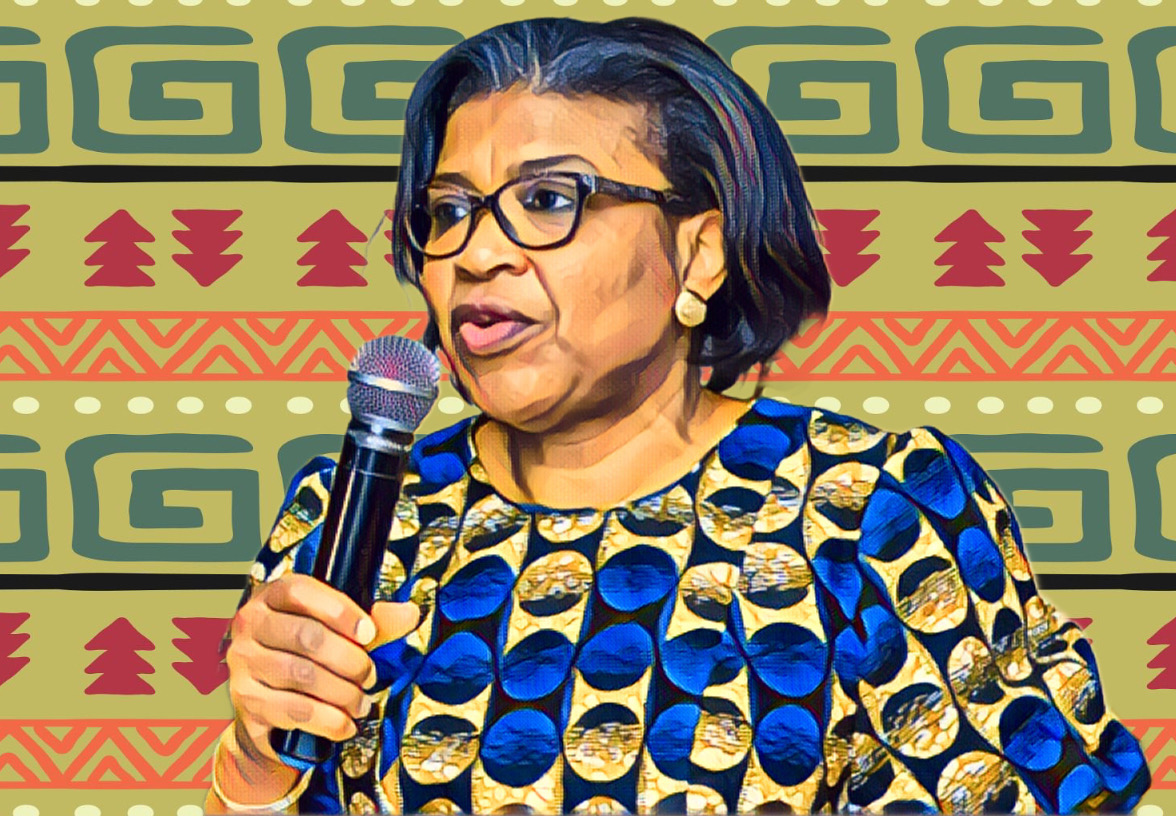
Director General of the DMO, Patience Oniha, delivered the warning in Abuja at a workshop on borrowing guidelines for officials of state governments. The session formed part of the agency’s capacity building programme aimed at improving debt management practices at the subnational level.
Oniha said many states still struggle with the legal and procedural requirements for borrowing, despite clear provisions in the Fiscal Responsibility Act, the DMO Act, the Investment and Securities Act and the Nigerian Constitution.
“This workshop is focused on borrowing guidelines,” she said. “It is not about debt stock. It is about understanding what the law requires and how the borrowing process works.”
Borrowing rules are not optional
Oniha stressed that borrowing requests from states must pass through the Minister of Finance and the DMO, as required by law. She said delays often occur because state officials submit incomplete documentation or fail to meet statutory conditions. “There is no flexibility when it comes to the law,” she said. “If it is stated in the law, then compliance is mandatory.”
According to her, inadequate understanding of borrowing rules has in the past led to prolonged approval timelines, even when states urgently need funds for development projects. She designed the workshop to close the knowledge gap and ensure that participants process requests more smoothly.
She added that the training programme now covers debt recording, debt sustainability analysis, medium term debt management strategy and the full borrowing procedure, from application to approval.
Capacity building for sustainable debt
Oniha said the DMO expanded the workshop this year to accommodate more participants, with each state represented by between five and eight officials involved in finance, budgeting and debt management.
She explained that better understanding of state borrowing laws would help states raise funds responsibly from various sources, including development finance institutions such as the World Bank, without breaching legal limits or creating future repayment risks. She also noted that sound debt management is essential to protecting public resources and ensuring that borrowed funds translate into tangible development outcomes.
The DMO, she said, remains committed to working with subnational governments to strengthen fiscal discipline, promote transparency and support sustainable borrowing practices that align with national economic objectives.