Niger State has concluded plans to set up a task force to fight child trafficking, child labor and abuse, a step that would close a gap with most other Nigerian states.
The state government disclosed the plan over the weekend at a state wide dialogue on trafficking, abuse and labor in Minna, organized by the Network Against Child Trafficking, Abuse and Labour, known as NACTAL.
What the commissioner said
Hadiza Kuta, the commissioner for women affairs and social development, said the state is ready to tackle child labor, sexual exploitation, child mining, domestic servitude, exploitative recruitment and illegal migration.
She said the government has tried hard since it took office to end child trafficking, child labor and abuse, and promised to get the task force ready “as soon as possible.” She gave no date.
Why a child trafficking task force is needed
A representative of the National Agency for the Prohibition of Trafficking in Persons, Moses Unongo, told the dialogue that 32 states already have task forces on human trafficking. Four states, including Niger, have yet to set one up.
Unongo’s presentation was titled The Need to Establish a Niger State Task Force on Human Trafficking.
Abdulganiyu Abubakar, the outgoing national president of NACTAL, described Niger State as a transit route for trafficking and said a task force would help keep children off the streets and stop people being trafficked illegally.
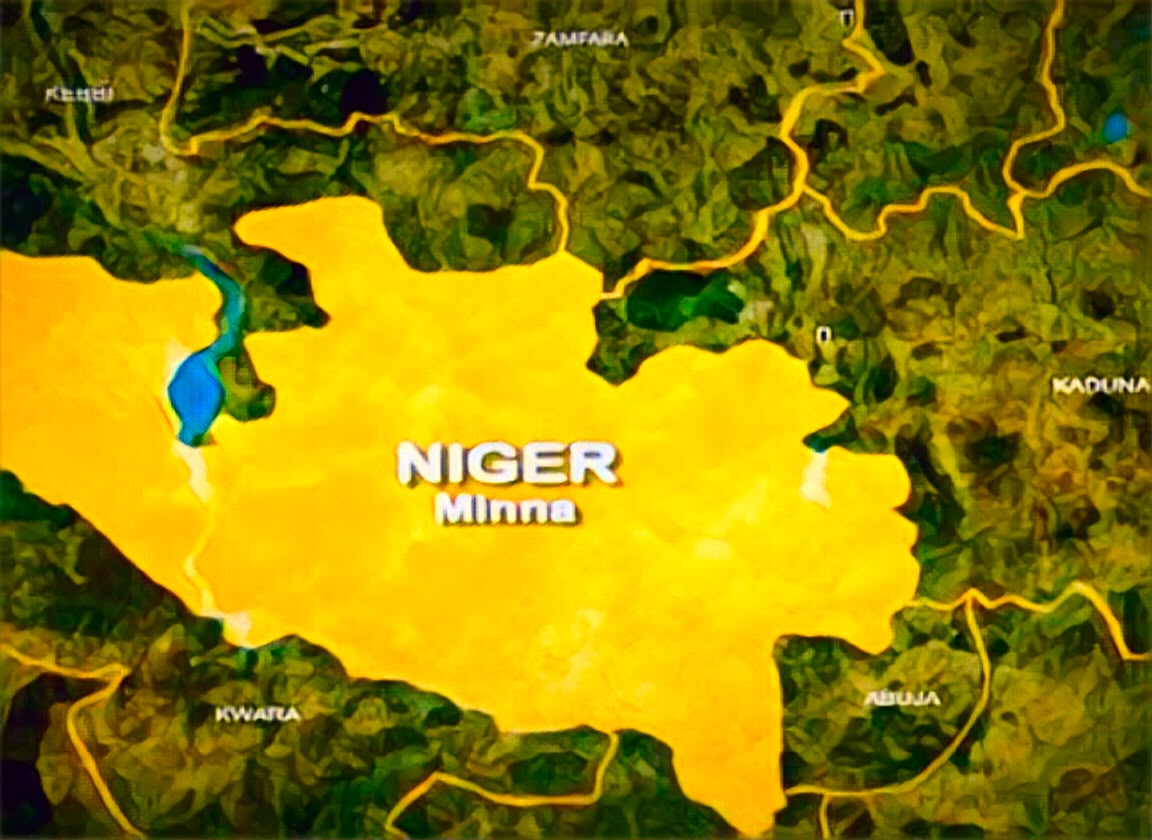
The state shares a border with the Federal Capital Territory and, to the west, with Benin Republic, and major roads run through it. Those links help explain why advocates call it a transit route.
The outgoing state coordinator, Olasukanmi Kalejaiye, and his successor, Stephen Adeoye, urged stakeholders to work closely together against what they called a menace that has spread deep into society. The event also gave awards to the commissioner and others.
Child labor in mining and beyond
Child labor is a known problem in Niger State, particularly in small scale mining. The International Labour Organization has run a project there under its ACCEL Africa program, focused on artisanal mining and expanding in a second phase to more communities across three local government areas.
In 2025, the ILO’s Abuja office director, Vanessa Phala, asked Gov. Mohammed Umaru Bago to write child labor protections into the solid minerals policy, declare zero tolerance in the state’s food value chain, set aside budget lines and create child labor desks.
Bago thanked the ILO and pledged continued cooperation. He also asked it to define child labor carefully to avoid cultural misunderstandings, and said he was willing to sign a memorandum of understanding.
A 2024 academic study of Suleja, a local government area in the state, found that household income is the main driver of child labor and trafficking, and that employment and skills training lower both.
A task force can coordinate police, social workers, schools and prosecutors, but it needs members, money and a legal mandate before it can help a child. Until Niger State sets a date and names its members, the plan remains a promise.