
KEY POINTS
-
Niger and Nigeria have stepped up customs cooperation to address security threats along their shared borders.
-
Thirteen Nigerian customs officers are in Niamey for a mission running from November 14 to 21, 2026.
-
The mission focuses on intelligence sharing, border surveillance and efforts to combat terrorism, arms and drug trafficking.
Niger and Nigeria have strengthened cooperation between their customs services as part of efforts to tackle cross-border security threats.
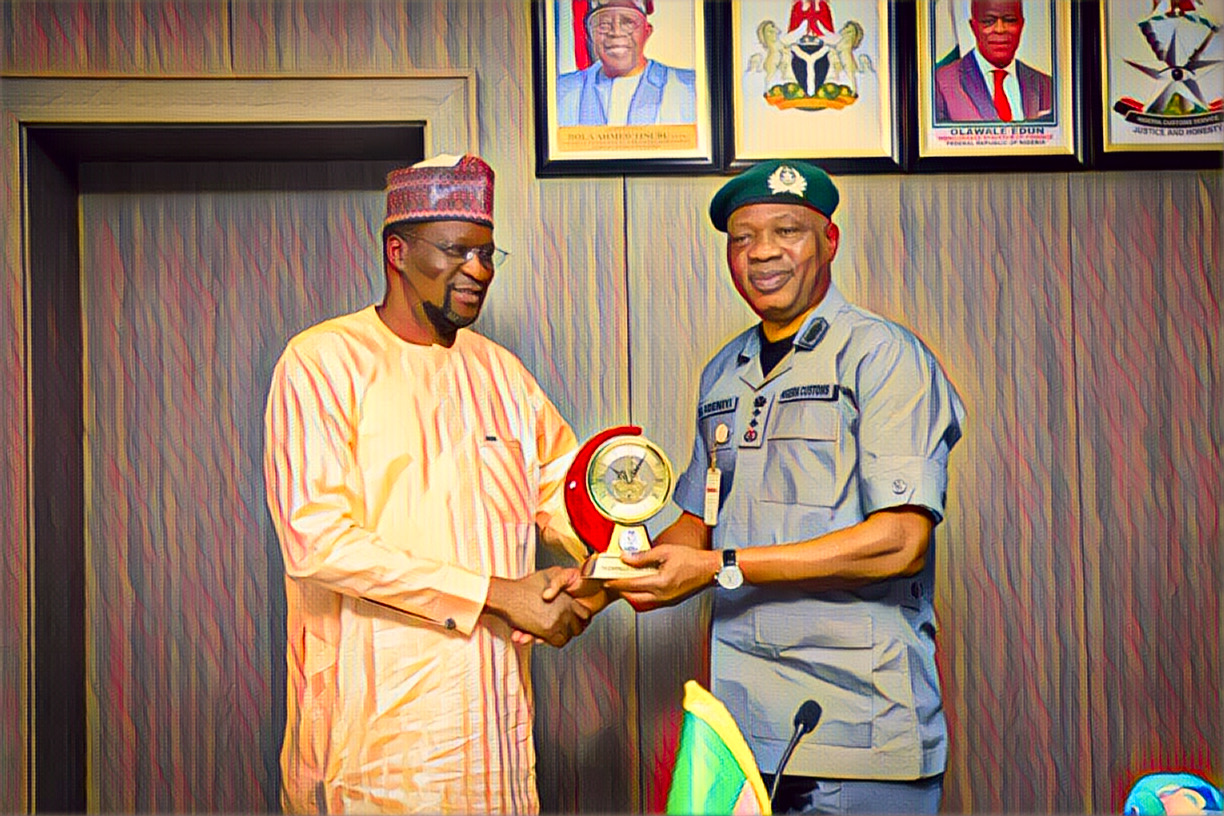
The development involves 13 Nigerian customs officers who are in Niamey, Niger’s capital, on a mission to study the country’s approaches to border security and the prevention of cross-border crimes.
The mission, which began on November 14 and is scheduled to end on November 21, provides an opportunity for both countries to exchange knowledge and improve coordination between their customs authorities.
The visit comes amid security challenges along the two countries’ shared borders, including the movement of armed groups, illegal weapons and illicit drugs.
Focus on intelligence sharing and border surveillance
The exchanges are centred on improving border surveillance and intelligence sharing between the two countries.
Other areas of focus include efforts to prevent terrorism, arms trafficking and drug trafficking, as well as strengthening cooperation between customs services and other security agencies.
The initiative is also expected to help Nigerian officers understand the methods used by their Nigerien counterparts to monitor border movements and respond to security threats.
Wider security cooperation
The mission highlights the importance of cooperation between neighbouring countries in addressing security threats that extend beyond national borders.
Improved information sharing and coordination between customs officers and other security forces could help both countries identify suspicious movements, disrupt trafficking networks and strengthen border monitoring.
However, the report did not provide details of specific agreements reached during the visit or identify the particular border locations covered by the exchanges.