
KEY POINTS
- Iran reopened the Strait of Hormuz on Friday under a ceasefire with the United States, then reclosed it within 24 hours, accusing Washington of a continued port blockade.
- Joseph Obele, spokesman of the Petroleum Products Retail Outlet Owners Association of Nigeria, says the reclosure has stalled a projected pump-price slide from N1,250 to about N900 per liter.
- Brent crude moved from $88 to $90 a barrel after the reclosure, still below the $95 mark it hit on Friday morning, with the two-week ceasefire set to expire Wednesday.
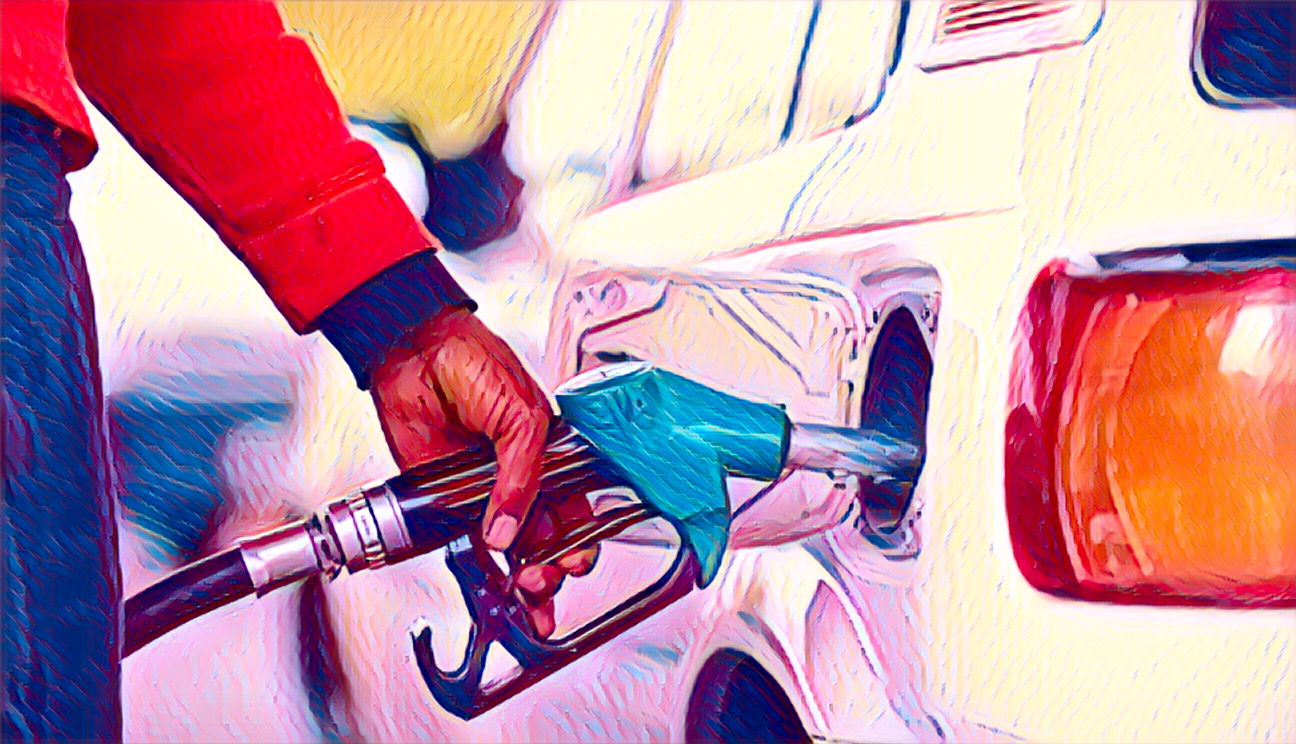
Nigerians waiting for cheaper petrol will have to wait a little longer. Iran’s sudden reclosure of the Strait of Hormuz has dampened expectations that pump prices would drop from the current N1,250 per liter toward the N900 range.
The strait, which carries roughly 20 percent of global oil trade, reopened on Friday under a ceasefire deal between Iran and the United States. Barely 24 hours later, Iran reclosed it, citing what it called Washington’s continued blockade of its ports.
On Saturday, the Iranian military said control of the strategic waterway had “returned to its previous state.” Reports from the area suggest Iranian gunboats fired at a merchant vessel attempting to cross.
Nigerian fuel prices stay stuck
Petroleum marketers had moved quickly on Friday’s reopening. Joseph Obele, spokesman of the Petroleum Products Retail Outlet Owners Association of Nigeria, or PETROAN, said on Friday that crude prices had crashed with the strait open, and he projected a significant drop in the Nigerian pump price within a week.
“With the reopening of the Strait of Hormuz, Nigerians should expect a very significant reduction in petrol prices. Petrol will fall below N1,000 by next week, probably to N900 per litre. Don’t forget that the product was N800+ before the Middle East crisis. Now that the war is over, we should be expecting a return to that price regime,” he said Friday.
By Sunday, though, Obele had reversed course. He told PUNCH the reclosure had killed the projected slide and that the pump price would hold at current levels until Iran and the United States lock in a lasting ceasefire. Petrol sat around N800 before the Middle East crisis flared on Feb. 28, and prices have climbed to N1,250 since. Any relief, in other words, now depends on diplomacy in the Gulf more than anything happening in Abuja or Lagos.
Crude markets moved less dramatically than some had expected. Brent traded at $90 a barrel on Sunday, up from $88 before the reclosure and still below the $95 it hit on Friday morning, according to oilprice.com. Traders have not priced in a return to shooting war just yet, though the possibility is now back on the board.
Trump raises the stakes
President Donald Trump said on Sunday that Iran had violated the ceasefire by attacking ships in the strait, and he repeated threats to strike Iranian energy infrastructure unless Tehran accepts a deal to end the war. “Iran decided to fire bullets yesterday in the Strait of Hormuz, a total violation of our ceasefire agreement!” Trump wrote on Truth Social. “That wasn’t nice, was it?”
“We’re offering a very fair and reasonable deal, and I hope they take it because, if they don’t, the United States is going to knock out every single power plant and every single bridge in Iran. No more Mr Nice Guy!”
Trump added that US negotiators would arrive in Islamabad, Pakistan, on Monday evening, where direct talks took place last weekend. The current two-week ceasefire expires Wednesday. Until then, Nigerian motorists will watch the strait as closely as the pump.