
KEY POINTS
- Aliko Dangote’s refinery exported 1.66 billion litres of refined fuel in April 2026, including 513m litres of petrol, 534m of diesel and 615m of aviation fuel.
- The Lekki plant ran at near-full capacity as US-Iran tensions tightened global supply via the Strait of Hormuz.
- Nigeria’s domestic refineries operated at 99.12 percent average capacity, with the 650,000-barrel-per-day refinery dominating output.
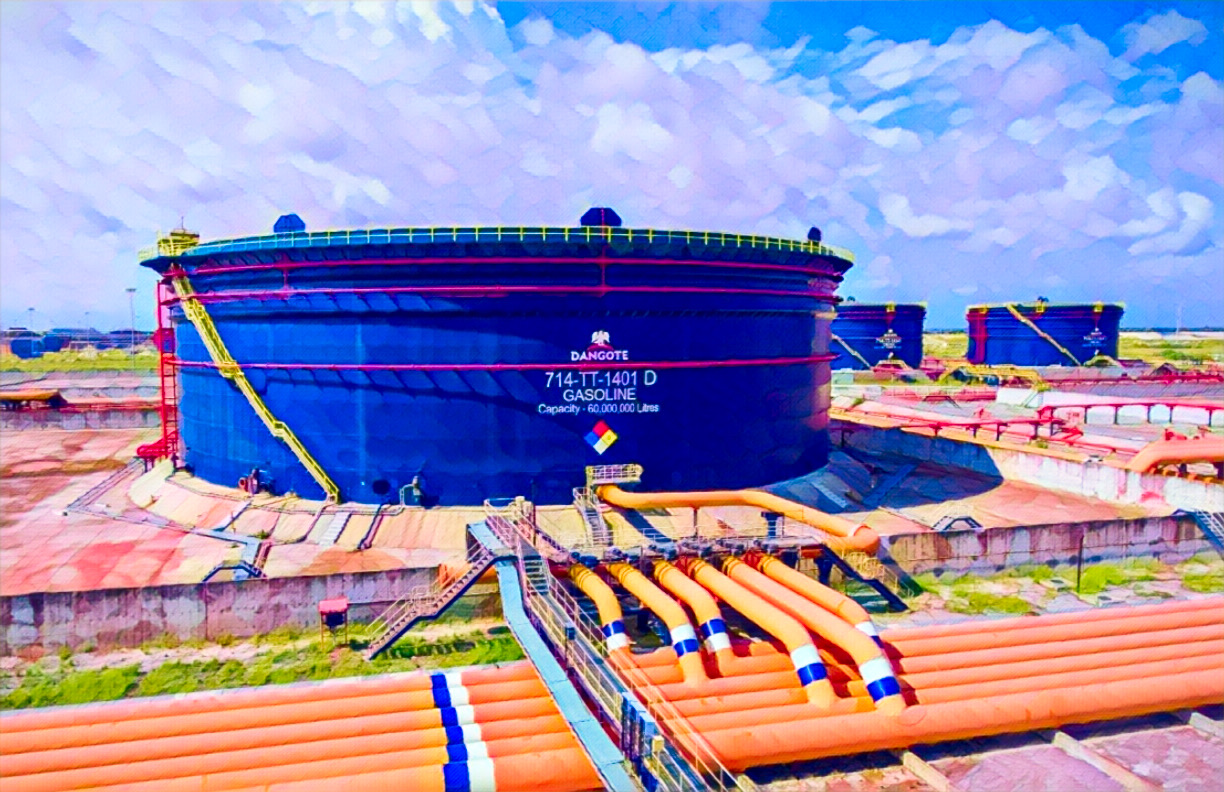
Aliko Dangote’s Lekki refinery shipped an estimated 1.66 billion litres of refined petroleum products out of Nigeria in April 2026, the plant’s biggest export month on record, as US-Iran tensions tightened global fuel supply and pushed European, African and Asian buyers toward alternative sources.
NMDPRA data analyzed showed the 650,000-barrel-per-day refinery shipped 513 million litres of petrol, 534 million litres of diesel and 615 million litres of aviation fuel during the month, equivalent to roughly 55.4 million litres of refined product leaving Nigerian shores every day. Now the export volume cements Dangote Refinery’s role as the dominant West African swing supplier, with capacity to back-stop a global market unsettled by Middle East risk and Strait of Hormuz uncertainty.
Capacity stretched to the limit
Specifically, the Nigerian Midstream and Downstream Petroleum Regulatory Authority said local refineries operated at average capacity utilization of 99.12 percent in April, with Dangote accounting for the overwhelming share. The regulator confirmed the refinery hit 100 percent utilization “for most of the days in April.”
Indeed, the plant drew 18.37 million barrels of crude oil in April, up from 13.11 million barrels in March, reflecting a step-change in feedstock intake to match export demand.
Moreover, the refinery balanced domestic obligations against international shipments. Average daily petrol production reached 53.6 million litres, supplying 40.7 million litres locally and exporting 17.1 million litres each day.
Diesel and jet fuel lead the wave
Furthermore, diesel and aviation fuel drove the export story. Diesel production averaged 23.6 million litres daily, shipping 17.8 million litres a day in exports, more than double the 8 million litres landing in the Nigerian market.
Additionally, aviation fuel exports stood at 20.5 million litres daily against domestic supply of 2.6 million, a striking imbalance that comes weeks after Nigerian airlines threatened to halt operations over jet fuel costs. The strong jet fuel export performance partly reflects the Middle East premium that global aviation supply chains have absorbed.
Today, the same Middle East accounts for a substantial share of global aviation fuel exports, with the Strait of Hormuz serving as a critical transit corridor. The prolonged regional disruption has tightened supply and lifted prices internationally, opening a window Dangote has stepped into.
Net exporter, still importing
Meanwhile, the data confirms Nigeria’s transition from refined-fuel importer to net exporter, a shift that began after Dangote’s March exports of 434 million litres of petrol. Nigerians consumed an average of 51.1 million litres of petrol daily in April, slightly above the regulator’s 50-million-litre benchmark, with diesel use at 17.3 million litres and aviation fuel at 2.5 million litres.
However, retail prices stayed elevated. The NMDPRA tied prevailing prices to international crude oil costs averaging $120.55 per barrel in April and gasoline at $1,074.97 per metric tonne. The export economics partly explain why Nigerian pump prices have not eased meaningfully despite the refinery’s full operation.
Together, the export volumes, capacity numbers and persistent retail costs sketch a market where supply security has shifted, even if affordability lags. The NMDPRA continues to issue licenses for petrol imports despite the export surge, a regulatory hedge against future Dangote outages.
Whether the export momentum holds will depend on Middle East risk, OPEC quota dynamics and how quickly other regional refineries reopen. Yet for now, the 650,000-barrel plant in Lekki has positioned Dangote at the center of a redrawn global fuel map, with each tanker leaving Lagos lifting Nigeria’s energy and forex story in equal measure.