
KEY POINTS
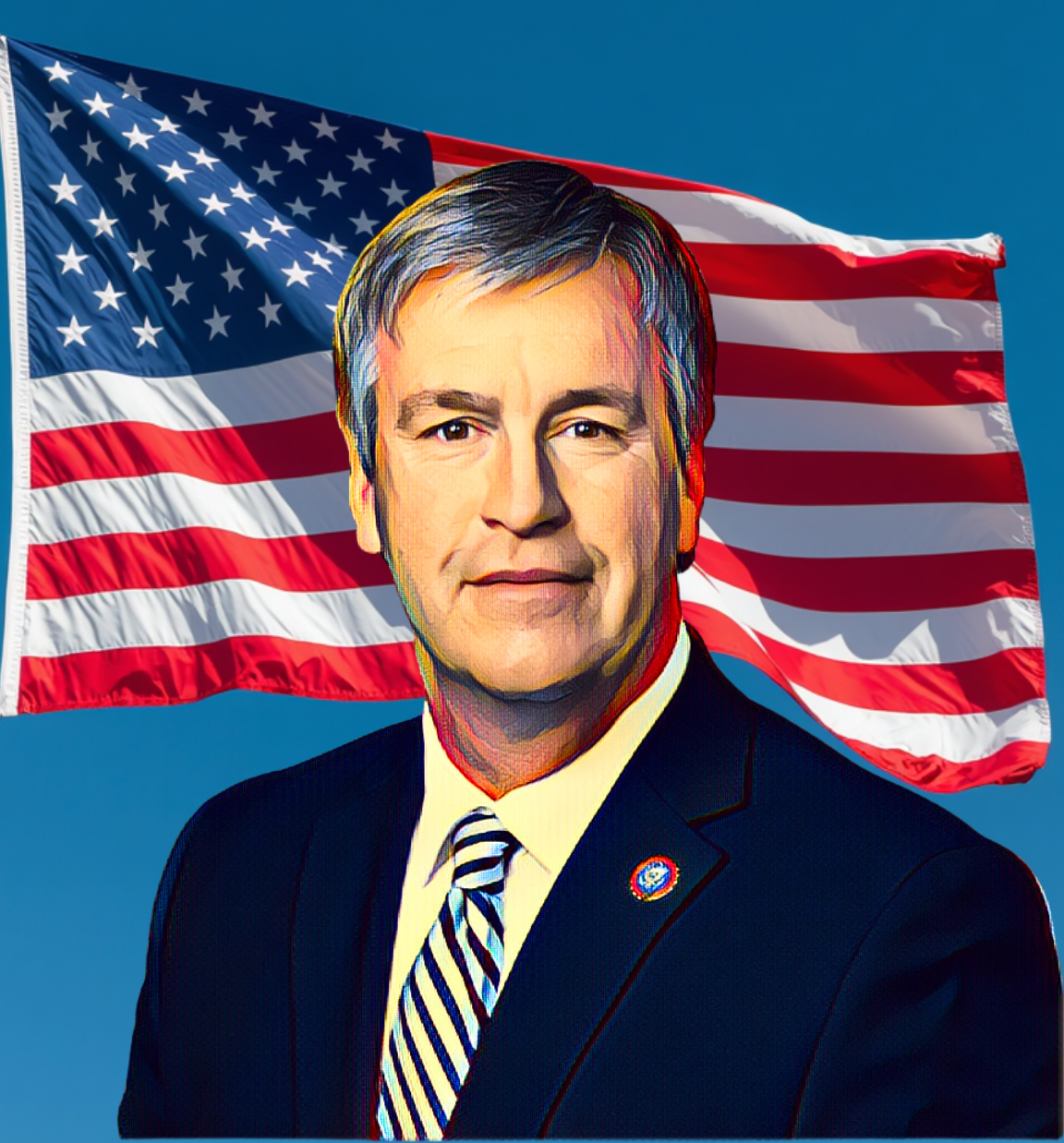
- US Congressman Barry Moore introduced the CRUSADE Act, requiring immigrants entering as religious workers to disavow Sharia law.
- Moore argued that Sharia conflicts with American constitutional values, citing persecution of religious minorities and restrictions on women.
- The bill arrives as US lawmakers separately push the Nigeria Religious Freedom and Accountability Act over alleged Christian persecution.
US Congressman Barry Moore on Wednesday introduced legislation that would require immigrants entering the country as religious workers to formally disavow Sharia law and pledge allegiance to the United States Constitution, opening a new front in the Republican-led debate over Islam in American public life.
Moore unveiled the bill, called the CRUSADE Act, in a post on X, arguing that Sharia-based doctrines conflict with American constitutional values. The proposal targets visa categories that cover clergy, missionaries and other religious workers entering on faith-based credentials.
Now the introduction lands alongside a parallel congressional hearing on the broader “Sharia-Free America” movement, with a group of Republican lawmakers arguing that political Islam and Sharia law sit fundamentally at odds with the US Constitution.
The CRUSADE Act pitch
Specifically, Moore framed the bill as a response to what he sees as Sharia justifying the persecution of religious minorities, restrictions on women and the elevation of religious law above secular institutions.
“Sharia law justifies the persecution of religious minorities, restrictions on women, and the elevation of religious law above all. This is why I introduced the CRUSADE Act,” Moore said in his X post.
Indeed, the lawmaker added that “immigrants entering our nation as religious workers should disavow sharia and uphold the Constitution,” capturing the core demand of the proposed legislation.
Constitutional questions ahead
Moreover, the First Amendment of the US Constitution explicitly guarantees freedom of religion, while immigration policies relating to religious workers fall under federal law and visa regulations. Civil liberties groups will likely challenge any religious-test requirement attached to visa eligibility as conflicting with both the Establishment and Free Exercise clauses.
Additionally, US immigration law historically avoids inquiries into the substance of an applicant’s religious beliefs, focusing instead on the legitimacy of the sponsoring religious organization and the applicant’s qualifications for the role.
However, supporters of the CRUSADE Act argue that disavowal of a specific legal system is not equivalent to disavowal of a religion, and that the bill targets jurisprudence, not faith. The framing positions the bill as a constitutional fidelity measure rather than a religious test.
Nigeria looms in the background
Furthermore, the bill arrives weeks after the United States began an assessment of Nigeria’s compliance with International Religious Freedom, following the country’s redesignation as a Country of Particular Concern by President Donald Trump over alleged persecution of Christians.
Today, US Representative Riley Moore of West Virginia’s 2nd congressional district and Chris Smith, chairman of the House Foreign Affairs Africa Sub-committee, are pushing the Nigeria Religious Freedom and Accountability Act of 2026, a parallel bill that aims to curb religious persecution in the West African country.
Meanwhile, Riley Moore has called for a US-Nigeria security pact to “protect vulnerable Christian communities and dismantle jihadist networks.” US lawmakers have specifically flagged the Sharia and anti-blasphemy laws operating in up to 12 northern Nigerian states.
“Blasphemy laws in Nigeria’s northern states are used to silence speech and dissent, target Christians and minorities, and justify so-called ‘convictions’ without due process,” the lawmakers said.
Together, the CRUSADE Act and the Nigeria-focused bill signal a coordinated Republican push to elevate religious freedom and Islamic legal critique within the foreign policy and immigration agendas. Whether either measure clears Congress will depend on bipartisan support, civil-liberties scrutiny and the speed of the Trump administration’s broader religious freedom agenda. Yet for now, the legislative spotlight has swung sharply onto Sharia’s place in American public life.