
Key Points
-
Digital economy can significantly enhance Nigeria’s global relevance.
-
Policy reforms essential to unlock digital growth and innovation.
-
Digital adoption drives jobs, inclusion, and economic competitiveness.
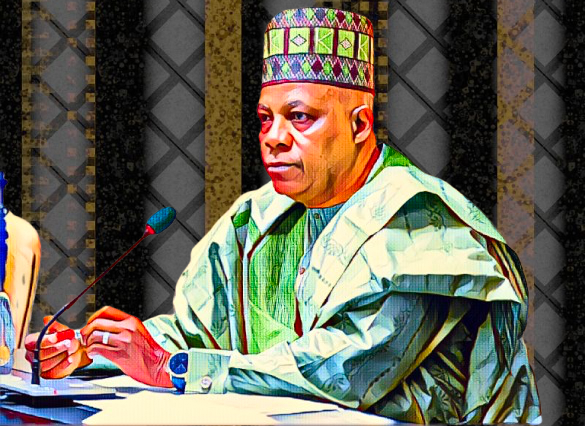
ABUJA — Vice President Kashim Shettima said on Monday that Nigeria has a new chance to regain its place in the world through a strong digital economy. At the Nigeria Digital Economy Summit (NDES) 2025, which took place at the International Conference Centre in Abuja, Shettima said that technology and innovation could change the course of Nigeria’s economy and make the country a leader in Africa’s quickly changing tech ecosystem.
The digital economy can change Nigeria’s place in the world
Shettima stressed how important fintech, e-commerce, and digital infrastructure are for growth. He said, “Investing in mobile payments, blockchain, and cloud computing is no longer a choice; it is necessary for Nigeria to compete on the world stage.” Shettima also stressed that the digital economy could greatly boost productivity, bring in foreign direct investment, and create millions of jobs, especially for young Nigerians.
Representatives from top tech companies like Flutterwave, Paystack, Andela, and Jumia were there to show off new ideas that are already changing how people do business, handle money, and learn in Nigeria. The Nigerian Communications Commission (NCC) and the Ministry of Communications and Digital Economy also spoke at the summit. This showed how serious the government is about improving ICT infrastructure across the country.
Changes to policies are important for the growth of the digital economy
Shettima told policymakers to speed up changes that make it easier for people to get online, make rules easier to follow, and give startups more money. He said, “Nigeria could fall behind Kenya, South Africa, and other up-and-coming tech hubs if it doesn’t have clear policies and enough support.” He called for increased collaboration between government agencies, private sector stakeholders, and international development partners to create an enabling environment for innovation.
Dr. Isa Pantami, Minister of Communications and Digital Economy, and Adebola Williams, co-founder of RED, were among the digital policy experts who spoke on panels at the summit. They talked about the best ways to create a competitive tech ecosystem.
The digital economy leads to growth and innovation that includes everyone
The Vice President talked about how the digital economy could help bring people together, especially women, young people, and people who don’t have a lot of resources. He pushed for more digital skills programs, coding bootcamps, and innovation hubs to open up all over the country. Shettima said, “By giving our citizens digital skills and access to technology, we can make sure that economic growth is inclusive, sustainable, and impactful.”
At the end of the summit, both private and public sector partners promised to invest in technology-driven solutions. This showed that everyone was working together to make Nigeria a digital-first economy. Shettima said that Nigeria is ready to take advantage of its second chance to be important in the world through the digital economy. This is because of strategic investments, supportive policy changes, and a growing tech-savvy workforce.