
KEY POINTS
-
Lawmakers backed the sachet alcohol ban after repeated deadline extensions.
-
NAFDAC says the sachet alcohol ban addresses rising misuse among youths.
-
Regulators warn that the products fuel addiction and community-level harm.
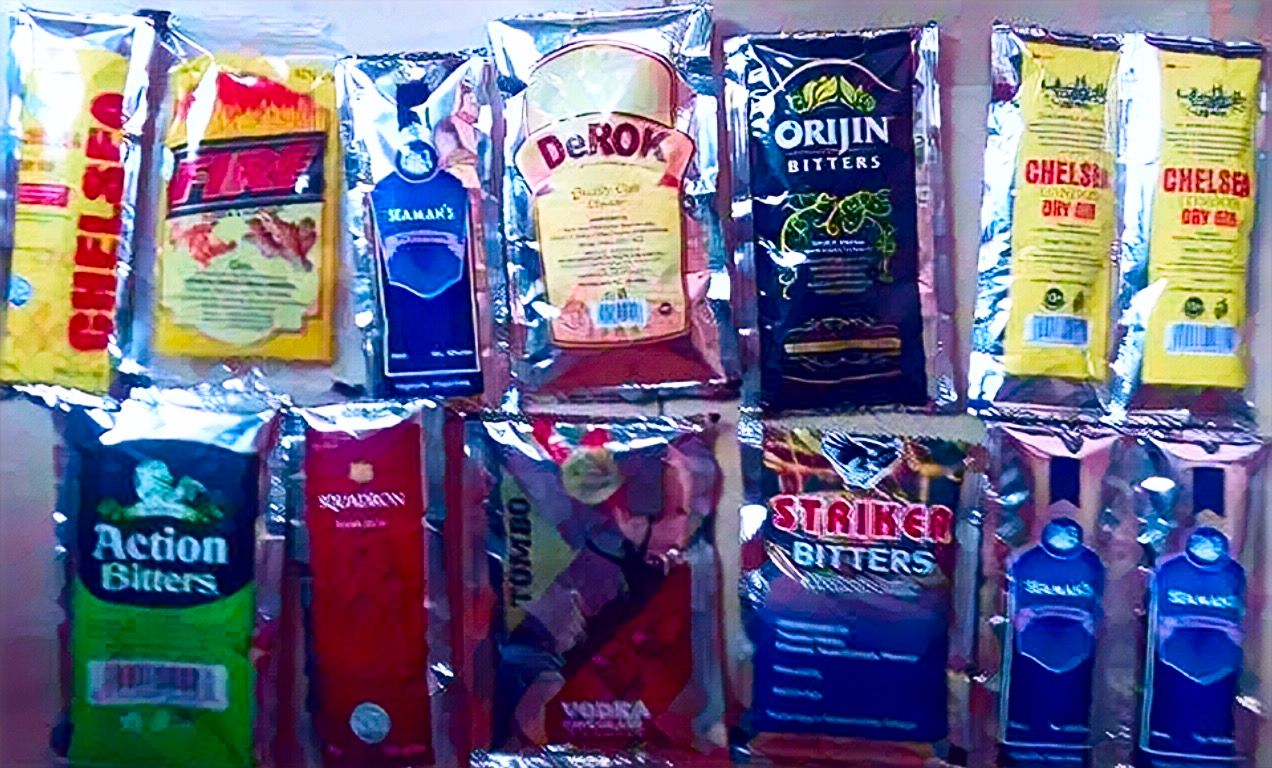
Nigeria’s drug and food regulator is moving ahead with a sweeping restriction on small-sized alcoholic drinks, setting December 2025 as the cutoff for products sold in sachets and bottles under 200 millilitres. The National Agency for Food and Drug Administration and Control said the measure targets the rising consumption of cheap, high-proof alcohol among young people and commercial drivers.
Sachet alcohol ban enforcement steps
NAFDAC’s Director General, Mojisola Adeyeye, briefed reporters in Abuja on Tuesday, saying the market has been flooded with small containers that are inexpensive, easy to hide and common in roadside stalls. She said that availability has helped drive addiction among minors and motorists, and has played a role in a range of social and public health problems.
She cited reports linking the surge in these products to domestic violence cases, crashes, school dropouts and other community-level issues. Regulators have watched the trend deepen in recent years as manufacturers expanded distribution of sachet-based drinks often sold for pocket change.
The announcement followed last week’s Senate directive instructing NAFDAC to enforce a complete halt on the production and sale of alcohol packaged below the 200-millilitre threshold by the end of next year. Lawmakers said the timeline will not shift again. The order was adopted after a debate on a motion introduced by Senator Asuquo Ekpenyong of Cross River South, who argued that repeated delays had weakened the credibility of the planned withdrawal.
Public health concerns from sachet alcohol ban
Ekpenyong reminded his colleagues that NAFDAC had set 2023 as the initial deadline before pushing it to 2024, and later to 2025. He said the shifting dates encouraged producers to keep lobbying for more time while the social costs mounted.
Adeyeye acknowledged the earlier timeline changes but said they stemmed from a phased plan agreed with industry leaders in a Memorandum of Understanding. She said the Senate’s latest directive leaves no room for another extension and urged manufacturers, distributors and retailers to start adjusting their operations ahead of next year’s enforcement.
According to Punch, she described the decision as a public health safeguard designed to limit the risks posed by the low-cost, high-alcohol products that have become entrenched in many parts of the country. The agency’s aim, she said, is to protect younger Nigerians from products that are easy to abuse and difficult for regulators to track.
“This ban is protective,” she said, adding that the agency’s stance is backed by scientific assessments and growing concern among health professionals. “The well-being of Nigerians cannot be traded for short-term economic gains. The health of a nation is its true wealth.”