
KEY POINTS
-
US warns that political tensions could trigger violence during Nigeria’s January 2027 elections.
-
Washington expresses concern over attacks on Christian communities and demands measurable security improvements.
-
US officials pledge close monitoring of Nigeria’s electoral process and continued security cooperation.
The United States has warned that political tensions surrounding Nigeria’s January 2027 general elections could trigger violence, pledging to closely monitor the electoral process and developments across the country.
The warning comes amid growing concerns in Washington over persistent insecurity in Nigeria, particularly reported attacks on Christian communities in the Middle Belt and other parts of the country.
The US State Department said violence against Christians remained a major concern, a year after President Donald Trump designated Nigeria a Country of Particular Concern (CPC) over alleged violations of religious freedom.
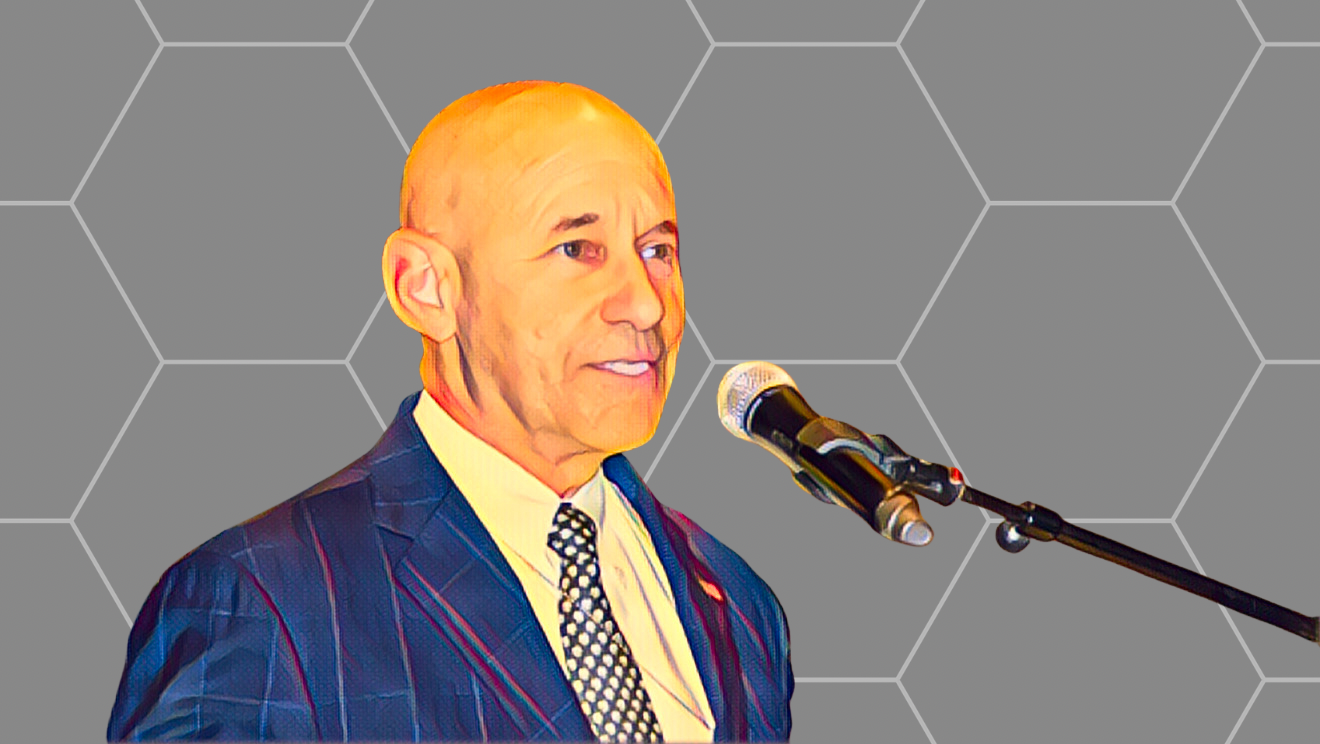
Reuters reported that Assistant Secretary of State for African Affairs, Frank Garcia, raised the concerns on Thursday while testifying before the House Foreign Affairs Subcommittee on Africa during a congressional hearing on violence in Nigeria.
Garcia identified the forthcoming elections as one of the major challenges that could complicate efforts to address the country’s security crisis.
He warned that political competition and heightened tensions during the election period could worsen existing security challenges.
US identifies election as potential source of violence
Speaking during the congressional hearing, Garcia said Nigeria’s presidential election, scheduled for January 2027, could create additional security challenges if political tensions escalate.
He acknowledged that addressing the country’s insecurity would remain difficult because of several structural and institutional limitations.
Among the challenges he identified were an overstretched security architecture, limited judicial reach in parts of the Middle Belt and inadequate resources to effectively tackle violence.
Garcia said these constraints could make it more difficult for Nigerian authorities to contain attacks and prevent political tensions from developing into wider violence.
He added that Washington was paying close attention to the situation and would continue engaging Nigerian authorities on ways to improve security.
US expresses concern over attacks on Christian communities
The American government also reiterated its concerns about continued attacks on Christian communities in Nigeria, describing the issue as a priority in its engagement with the Federal Government.
Garcia said Washington was working with Nigerian authorities to address the violence, strengthen security responses and ensure that those responsible for attacks were held accountable.
He noted that despite previous engagements and interventions, attacks on Christian communities had continued.
The US official disclosed that both countries were engaging through a Joint Working Group established following Nigeria’s designation as a Country of Particular Concern.
Discussions within the group reportedly focus on increasing security deployments, improving responses to early warning reports, ensuring accountability for perpetrators and strengthening military cooperation.
According to Garcia, the Nigerian government has introduced some measures, including deploying forest guards and increasing arrests and prosecutions of suspects.
However, he said these steps had yet to produce the desired improvement in the safety of Christian communities, particularly in the Middle Belt.
He added that Washington expected Nigeria to demonstrate measurable progress in protecting vulnerable communities and addressing the attacks.
US lawmakers demand closer scrutiny of Nigeria
During the hearing, US Congressman Riley Moore called on the American government to maintain pressure on Nigeria over its security response, particularly concerning reported attacks in Plateau State.
Moore questioned what measures the State Department was taking to ensure that Nigerian authorities confronted armed groups responsible for attacks on Christian communities.
He also argued that Nigeria’s Country of Particular Concern designation should remain in place, insisting that the Nigerian government had not done enough to address the situation.
The congressman further urged Washington to pay close attention to the January 2027 elections to ensure that developments surrounding the electoral process were closely scrutinised.
He said American lawmakers should remain vigilant throughout the election period because of the possibility of violence.
State Department promises to monitor 2027 elections
Responding to Moore’s concerns, Assistant Secretary of State for Democracy, Human Rights and Labour, Riley Barnes, said the department was already monitoring Nigeria’s electoral preparations.
Barnes disclosed that his bureau had a dedicated team responsible for following elections in different countries, particularly those considered important to American foreign policy interests.
He described Nigeria’s forthcoming election as a high-priority exercise and assured lawmakers that Washington would follow developments closely.
His response indicated that the US intended to maintain diplomatic attention on Nigeria’s electoral process ahead of the January 2027 polls.
Nigeria rejects religious persecution allegations
Nigeria’s designation as a Country of Particular Concern has remained a source of disagreement between Abuja and Washington.
President Trump had threatened military action against Nigeria in November 2025 over the treatment of Christians, following the designation.
However, the Nigerian government rejected the classification, describing it as based on misinformation and inaccurate data.
Nigerian authorities have maintained that the country is battling terrorism, banditry and other security threats rather than pursuing a policy of religious persecution.
The government has also indicated its willingness to accept American assistance in tackling Islamist insurgents, provided such cooperation respects Nigeria’s sovereignty and territorial integrity.
Nigeria continues to face multiple security challenges, including Islamist insurgency, armed banditry, farmer-herder clashes and kidnapping for ransom, particularly across the northern and central regions.
The country has more than 200 ethnic groups, with Christianity, Islam and traditional religions practised across different communities. Some violent conflicts have also been linked to ethnic tensions and competition over land and other scarce resources.
With the presidential and parliamentary elections scheduled for January 16, 2027, insecurity and the possibility of election-related violence remain major concerns for Nigerian authorities and international partners.